


Daily driving exposes your car to parking lot dings, shopping cart impacts, weather-related paint damage, and minor scrapes that accumulate over time. These everyday issues affect your vehicle's appearance and protective coatings, yet many drivers delay repairs because they haven't experienced an accident.
Professional auto body repair addresses far more than crash damage. Technicians handle door dings, scratch removal, bumper scuffs, hail damage, and various cosmetic issues that occur during normal vehicle ownership. Indianapolis drivers face additional challenges from winter road salt exposure, summer sun damage, and construction debris that create frequent repair needs.
At Tom Wood Collision Center, our certified technicians provide auto body repair in Indianapolis using manufacturer-approved techniques and advanced technology. Our auto body repair shop handles dent removal, scratch correction, bumper restoration, and hail damage repair. Understanding which types of damage require professional attention helps you protect your investment and maintain your vehicle's appearance.
Parking Lot Damage and Door Dings
Door dings from adjacent vehicles represent the most frequent type of minor damage at any auto body repair shop. These small, round impressions typically occur in parking lots where space constraints create contact opportunities. Shopping center parking areas, grocery stores, and crowded events generate consistent door ding incidents that affect paint and metal panels.
The damage depth varies based on impact force and the objects involved. Metal doors striking your panels create different damage patterns than plastic components. Location affects repair complexity, with door edges and body line areas presenting greater challenges than flat panel surfaces.
Shopping Cart and Impact Damage
Shopping carts, sports equipment, and falling objects create larger dents with varying shapes and depths. These impacts often combine denting with scratching, requiring both metalwork and paint repair. Cart corrals and parking lot landscaping pose particular risks during windy conditions when unattended items move freely.
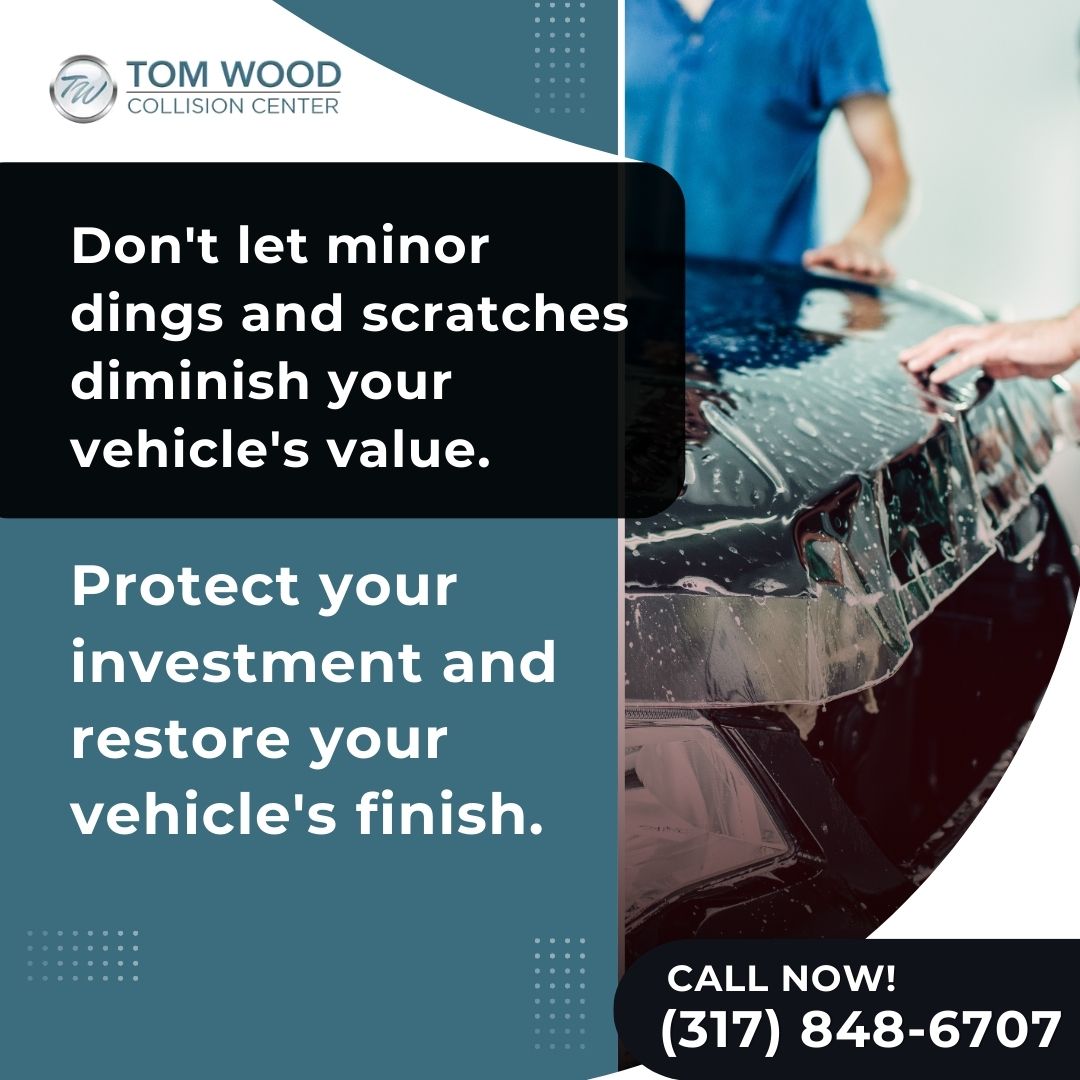
Professional assessment determines appropriate repair methods for parking lot damage. Paintless dent repair works well when the paint remains intact. Traditional bodywork becomes necessary when impacts crack paint surfaces or stretch metal beyond repair limits. Quick attention to door dings prevents rust formation and maintains your vehicle's protective coatings.
Scratches and Paint Surface Damage
Surface scratches occur through multiple scenarios during normal driving and parking. Key scratches, brush contact from vegetation, and accidental scrapes against posts or walls damage the clear coat and paint layers. Automated car washes can create swirl marks when brushes trap dirt particles that scratch surfaces during cleaning cycles.
Surface Level Scratches
Scratch severity determines repair approaches. Light scratches affecting only the clear coat often respond to buffing and polishing treatments. These surface-level marks haven't penetrated the color coat, allowing technicians to restore gloss through careful compound application and finishing processes.
Deeper scratches reaching the base paint layer require more involved correction. Color matching becomes necessary when scratches expose the paint beneath the clear coat. Professional technicians blend repairs into surrounding areas to eliminate visible boundaries between original and restored sections.
Deep Scratches and Metal Exposure
Scratches penetrating to the primer or bare metal demand immediate attention. Exposed metal surfaces oxidize rapidly when moisture reaches unprotected areas. These deep scratches require filling, priming, painting, and clear coating to restore both appearance and corrosion protection. Delaying these repairs allows rust to develop beneath the paint surface.
Determining the appropriate repair method requires professional evaluation. An experienced auto body repair shop near you can assess scratch depth, measure remaining clear coat thickness, and recommend the most effective correction approach.
Bumper Scuffs and Cosmetic Damage
Modern bumpers combine plastic covers with internal reinforcement structures. The visible outer covers sustain frequent damage from parking mishaps, curb contact, and low-speed impacts. Bumper scuffs appear as transferred paint or material from objects that contacted your vehicle.
Paint Transfer and Surface Scuffs
Paint transfer from other vehicles or stationary objects creates colored marks on bumper surfaces. These transfers often come off with proper cleaning and buffing techniques. More severe scuffs may gouge the plastic material, requiring filling and refinishing to restore smooth surfaces.
Curb contact creates horizontal scrapes along the lower bumper edges. These scrapes combine paint removal with plastic surface damage. Parking sensors and cameras integrated into modern bumpers complicate repair procedures. Careful handling is required to prevent electronic system damage during restoration work.
Tears and Structural Bumper Damage
Torn or cracked bumper covers need different approaches than surface scratches. Small tears may accept plastic welding repairs, while larger cracks often require section replacement. A professional assessment at an auto body repair shop near you can determine whether repair or replacement provides better long-term results for your specific damage.
Hail Damage and Weather-Related Issues
Hailstorms create unique damage patterns across horizontal surfaces. Roof panels, hoods, and trunk lids sustain numerous small dents during severe weather events. Hail dents range from barely visible dimples to golf ball-sized depressions, depending on stone size and storm intensity.
Hail Damage Patterns
Analyses of NOAA and insurance industry data show that hail in the United States routinely causes over $1â¯billion in damage to property each year, with some years reaching several billion dollars in losses. Vehicle damage represents a significant portion of these losses, with repair needs varying based on dent quantity and severity.
Individual hail dents typically measure between one-quarter inch and two inches in diameter. Storms producing larger hail create deeper dents that may crack paint surfaces. Intact paint allows paintless techniques, while cracked finishes require traditional bodywork and refinishing.
Wind and Debris Damage
Wind-blown debris creates impact damage similar to hail but with different patterns. Tree branches, construction materials, and loose objects strike vehicles during storms. These impacts often affect vertical surfaces rather than just horizontal panels, creating distinct damage characteristics from typical hail patterns. Professional technicians assess all weather damage to determine appropriate restoration approaches.
Minor Impact Damage
Low-speed impacts create body damage without triggering major collision repairs. Backing into posts, contacting parking garage pillars, or bumping fixed objects at slow speeds can dent panels and scratch paint. These incidents typically occur below insurance deductible thresholds.
Parking Lot Fender Benders
Fender benders in parking lots generate frequent minor damage. Two vehicles making contact during parking maneuvers often sustain scratches, small dents, or bumper damage. Many drivers choose direct payment for these repairs rather than involving insurance companies to avoid premium increases and claim history complications.
Bicycle and Equipment Impacts
Bicycle impacts, whether from falling bikes or contact during transport, create specific damage patterns. Handlebar strikes leave distinct marks on panels. Bike racks that loosen during driving may allow bikes to contact vehicle surfaces. These specialized damage types require careful repair to restore original contours and protective coatings.
Professional Repair Approaches for Body Damage
Paintless Dent Repair Methods
Paintless dent repair removes dents without affecting the original paint, preserving factory finish quality. This repair technique works well for:
- Door dings and parking lot damage
- Hail damage with intact paint surfaces
- Minor dents without creases or paint damage
- Accessible panel locations on doors and fenders
Trained technicians access the backside of damaged panels and carefully massage the metal back to its original shape. Dent size, depth, and location determine whether paintless methods apply to your specific damage.
Panel accessibility affects the repair approach. Easily accessible panels allow straightforward application, while roof dents need specialized access through interior panel removal. Body line dents along character lines present technical challenges requiring experienced technicians.
Traditional dent repair involving filler, sanding, and painting requires more time and materials. Paintless techniques eliminate these requirements while maintaining original factory paint, making it the preferred method when paint remains intact.
Scratch Correction Techniques
Surface scratches respond to professional buffing and polishing techniques at an auto body repair shop. Modern automotive paint consists of multiple protective layers:
- Primer coating for metal adhesion
- Color coat layers for visible appearance
- Clear coat for UV and chemical protection
Clear coat typically measures 1.5 to 2.5 mils in thickness. Surface scratches affecting only the clear coat represent favorable scenarios for buffing techniques that restore original gloss. Proper technique prevents swirl marks while achieving smooth, clear surfaces.
Choosing the Right Repair Method
Selecting between repair methods depends on damage characteristics. An experienced auto body repair shop near you evaluates paint condition, dent depth, and panel accessibility to recommend the most effective approach. Professional repairs ensure your vehicle receives appropriate restoration that maintains both appearance and protective coatings through manufacturer-approved techniques.
Insurance Coverage Considerations
Insurance coverage for body damage depends on your specific policy terms and the cause. Understanding coverage types helps you determine which repairs your policy addresses.
Comprehensive Coverage Applications
Comprehensive coverage addresses non-collision damage from various sources. This coverage type handles weather events, falling objects, vandalism, and animal strikes. Hail damage falls clearly under comprehensive coverage regardless of severity. Wind-blown debris damage receives comprehensive coverage when external objects strike your parked vehicle.
Vandalism and malicious damage fall under comprehensive coverage. Key scratches, intentional paint damage, or deliberate denting from other parties activate this protection. Police reports documenting vandalism support insurance claims for these damages.
Collision Coverage Scope
Collision coverage applies when your vehicle contacts objects or other vehicles. This coverage handles accident-related damage regardless of fault determination. Single-vehicle accidents like backing into posts or hitting parking barriers trigger collision coverage. Parking lot incidents between two vehicles typically use collision coverage.
Coverage Exclusions
Normal wear and tear receives no insurance coverage. Paint oxidation from age and sun exposure represents expected vehicle deterioration. Policies exclude coverage for damage occurring gradually through normal use rather than sudden events.
â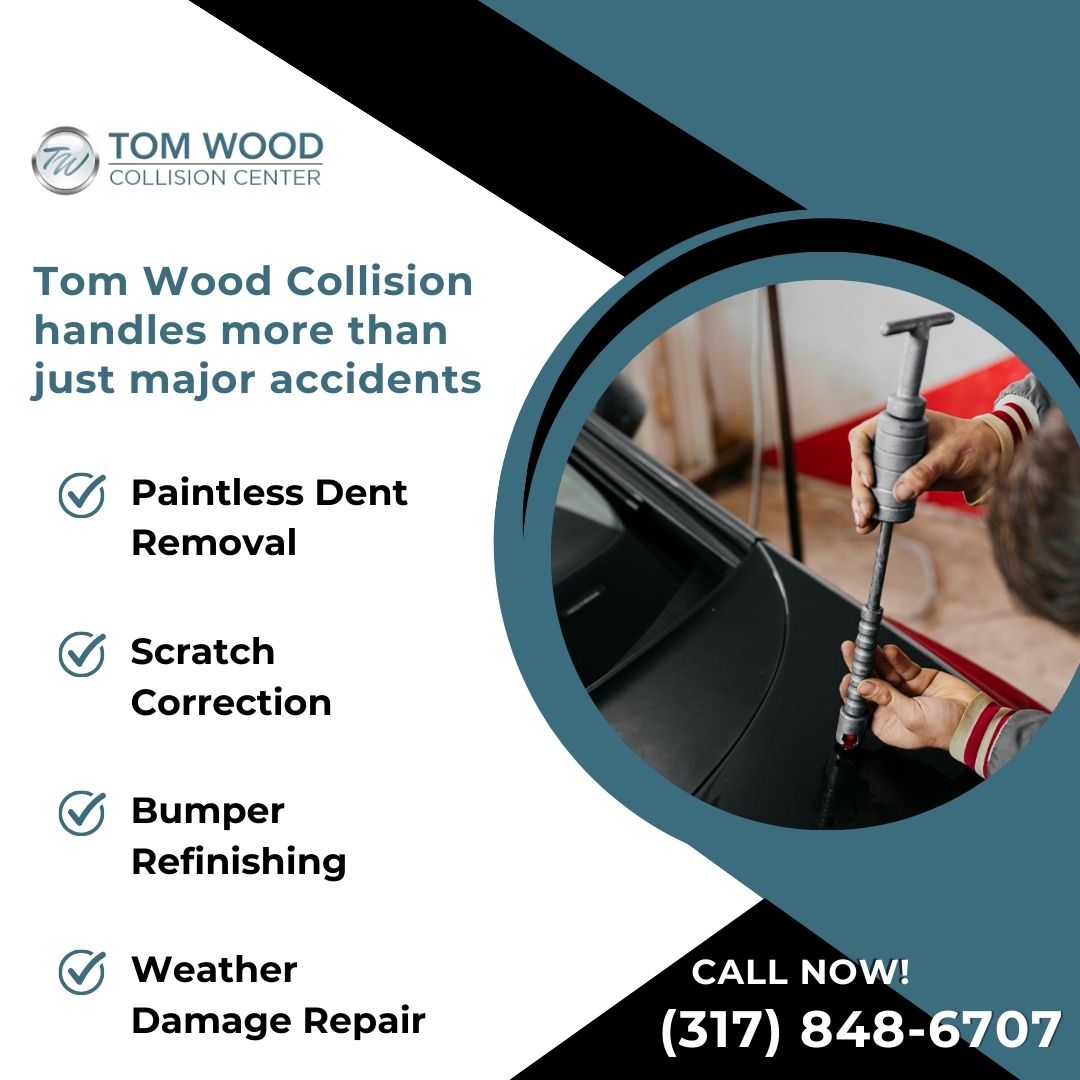
Tom Wood Collision: Professional Auto Body Repair in Indianapolis
Vehicle exterior damage affects more than appearance. Compromised protective coatings allow rust development, scratches reduce resale value, and delayed repairs increase correction complexity. Professional assessment identifies damage extent and the appropriate repair methods for your specific situation.
Quality Standards and Certifications
Tom Wood Collision provides manufacturer-certified services throughout Indianapolis and the surrounding communities. Our I-CAR Gold Class certified facility employs ASE-certified technicians who understand proper repair procedures for all makes and models. We maintain certifications from major automotive manufacturers, validating our expertise in OEM repair standards.
Advanced Technology and Equipment
Our shop utilizes advanced technology for superior repair outcomes. Computerized paint matching systems analyze your vehicle's exact color, accounting for fade and environmental exposure. We use the Helios by UVEYE technology to perform AI-powered underbody scans that identify damage not visible during standard inspections. These tools help us deliver complete repairs that address all damage.
We handle all types of auto body repair. Paintless dent removal, scratch correction, bumper restoration, and hail damage repair all fall within our service capabilities. Our technicians assess your specific damage and recommend the most appropriate repair approach for lasting results.
Paint Matching and Materials
Modern vehicles use complex paint systems with multiple layers serving specific functions. Each layer requires proper application techniques, drying conditions, and compatibility with adjacent materials.
At Tom Wood Collision, we use advanced spectrophotometers that measure exact color values and formulate custom matches accounting for these variations. Our automated paint-mixing system ensures consistent color accuracy across all repairs, while our climate-controlled spray booths provide the right conditions for proper paint application and curing. This combination of technology and expertise allows us to deliver auto body repair in Indianapolis with seamless color matching that maintains your vehicle's original appearance.